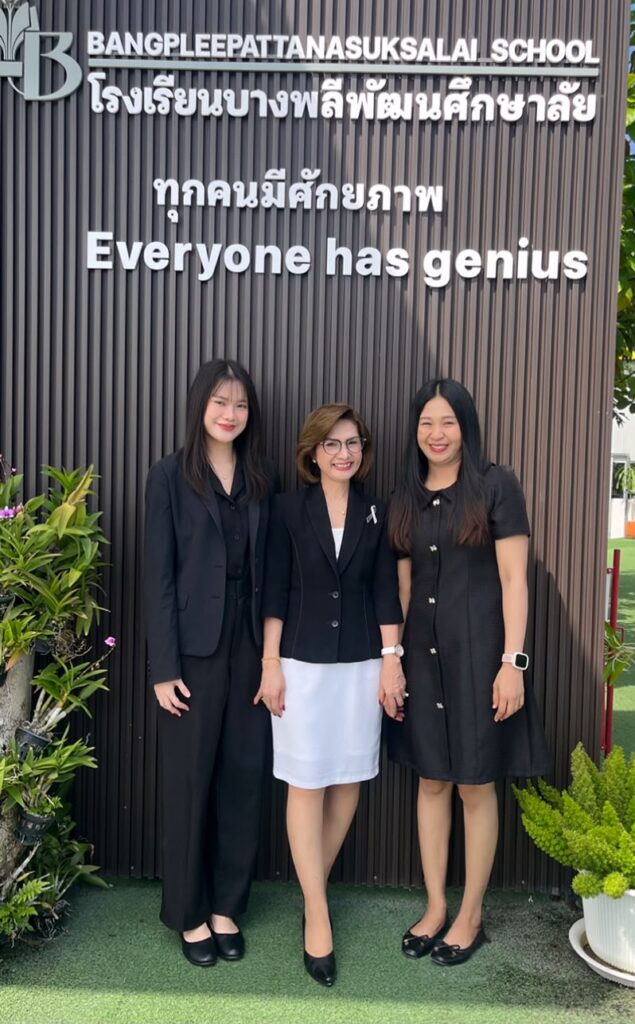
Ms Jetsumon Sumayteepradit visits Bangpleepattanasuksalai School to Support Sustainable Consumption Education
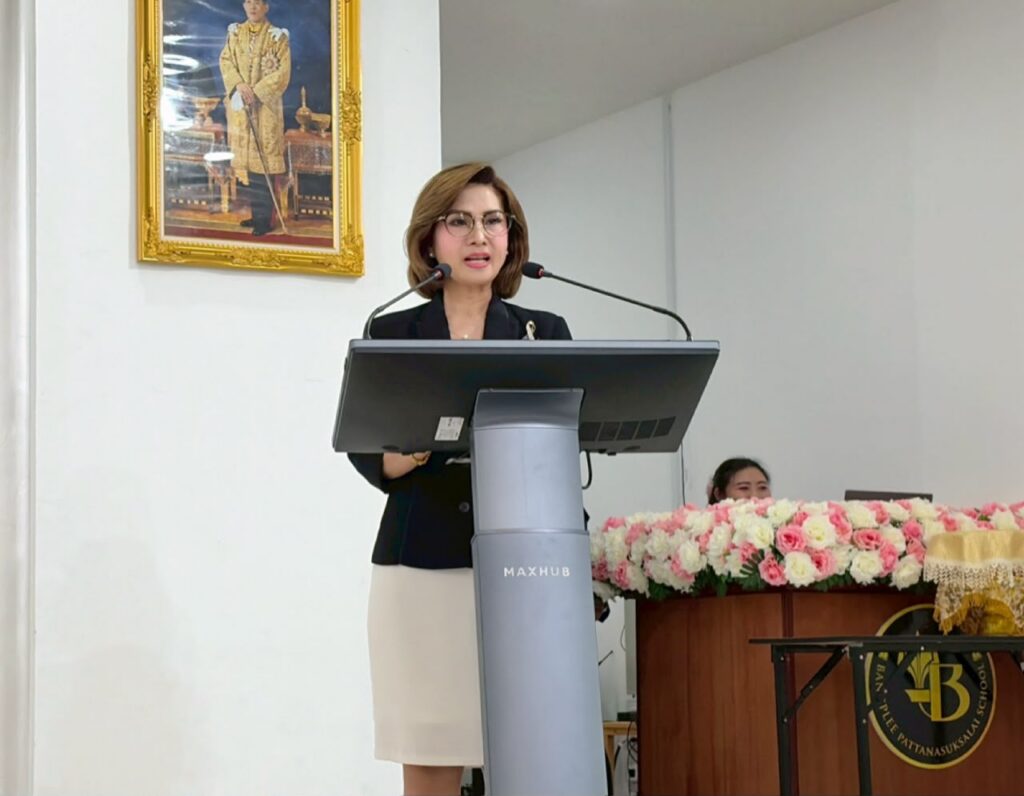
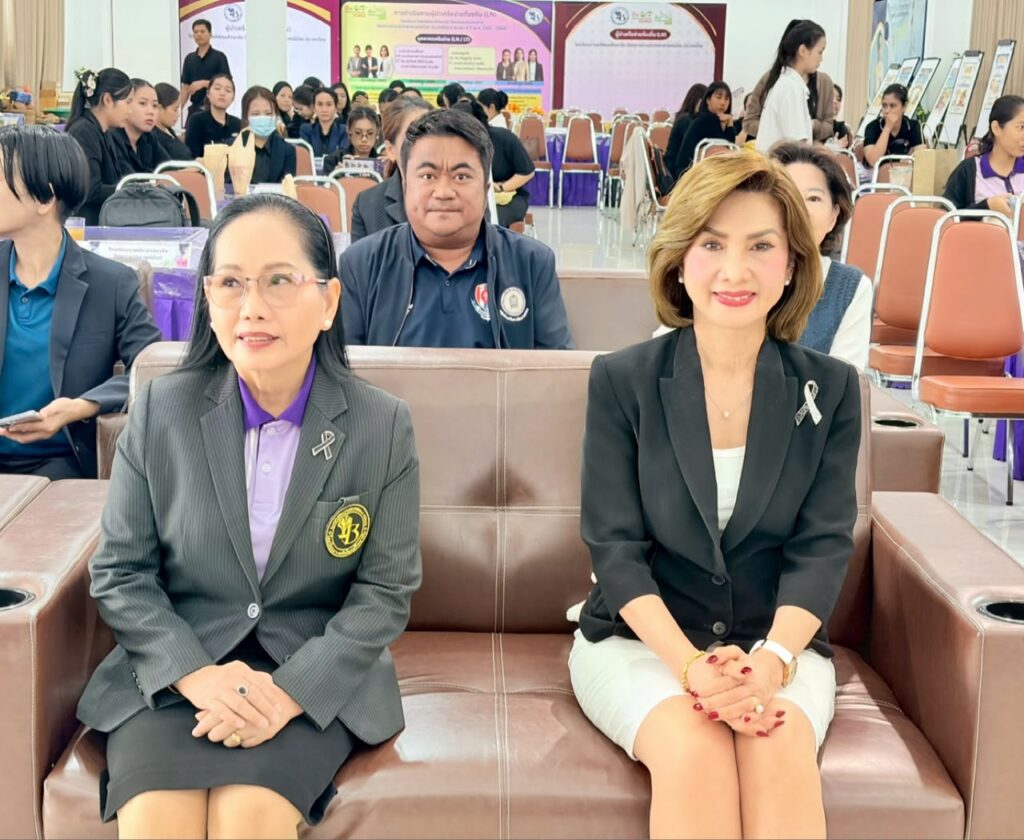
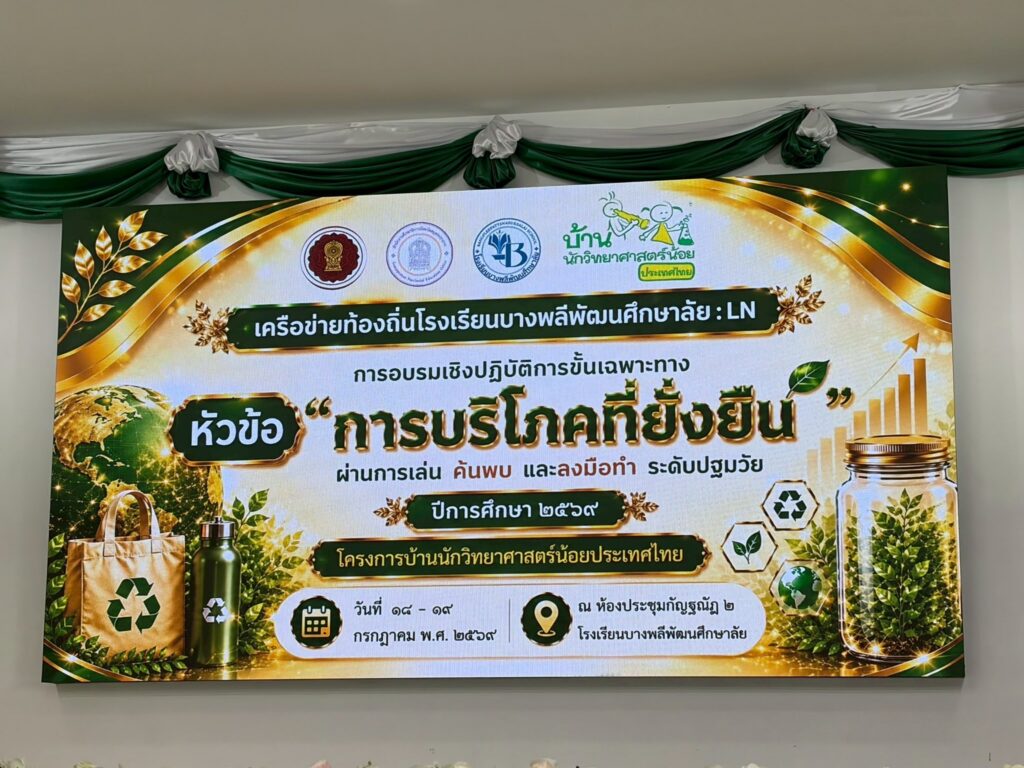
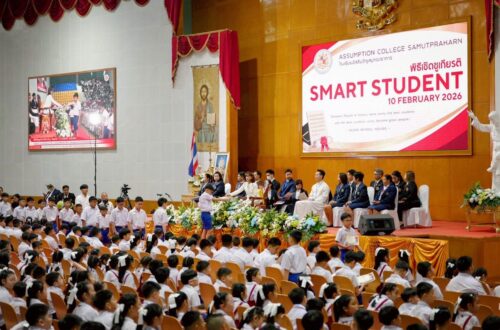
Ms. Jetsumon Sumayteepradit, Deputy Provincial Education Officer of Samut Prakan, Ministry of Education, presided over the opening ceremony of the Bangpleepattanasuksalai School Local Network (LN) Specialised Practical Training Workshop on “Sustainable Consumption”, visiting and encouraging participating teachers throughout the programme.?The workshop was designed to strengthen the professional knowledge and practical teaching skills of early childhood and primary school teachers, enabling them to implement sustainability education effectively in classrooms from kindergarten through primary education.
The workshop equipped teachers of early childhood and primary education with practical approaches to teaching Sustainable Consumption through interactive, child-centred learning experiences. The workshop focused on equipping primary school teachers with practical approaches to teaching Sustainable Consumption through interactive and child-centred learning experiences. Participants explored a variety of teaching strategies, including play-based learning, scientific exploration, discovery learning, and hands-on activities that encourage curiosity, creativity, and problem-solving. The two-day professional development programme, held on 18–19 July 2026 in the Kanyanimit 2 Conference Room at Bangpleepattanasuksalai School Local Network (LN), which formed part of the Little Scientists’ House Thailand Project. The workshop was organised in collaboration with the Ministry of Education, the Office of the Basic Education Commission,Bangpleepattanasuksalai School and Little Scientists’ House Thailand (บ้านนักวิทยาศาสตร์น้อย ประเทศไทย).
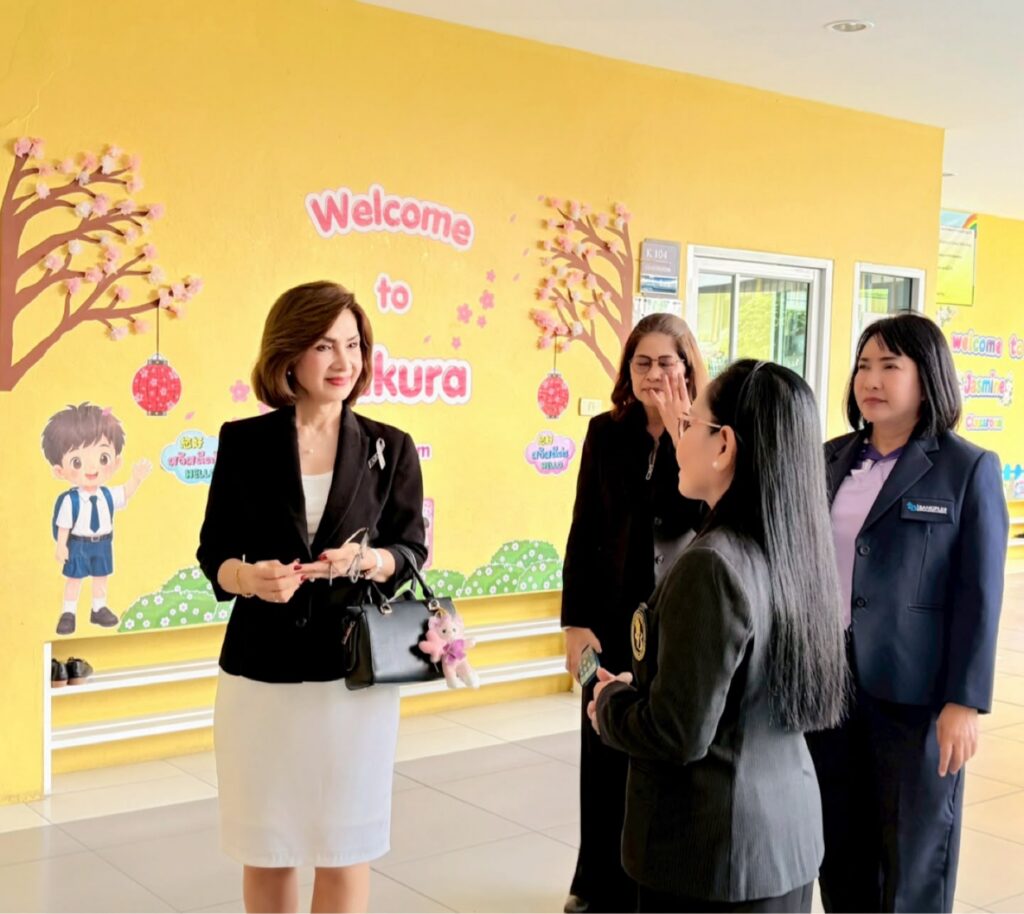
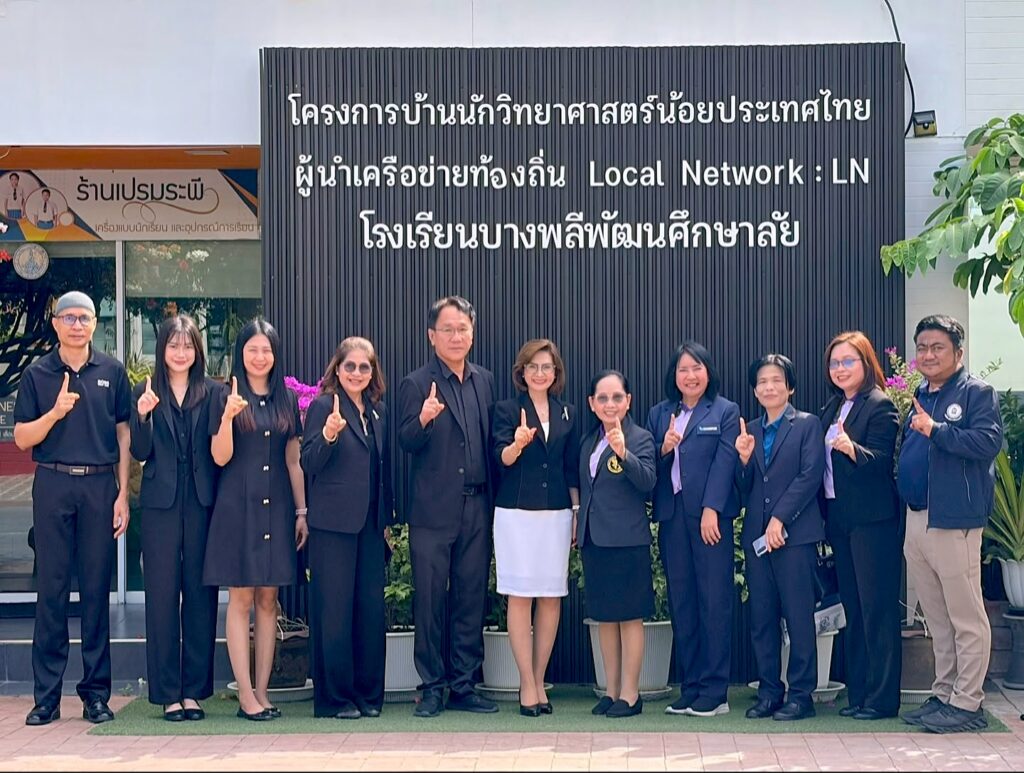
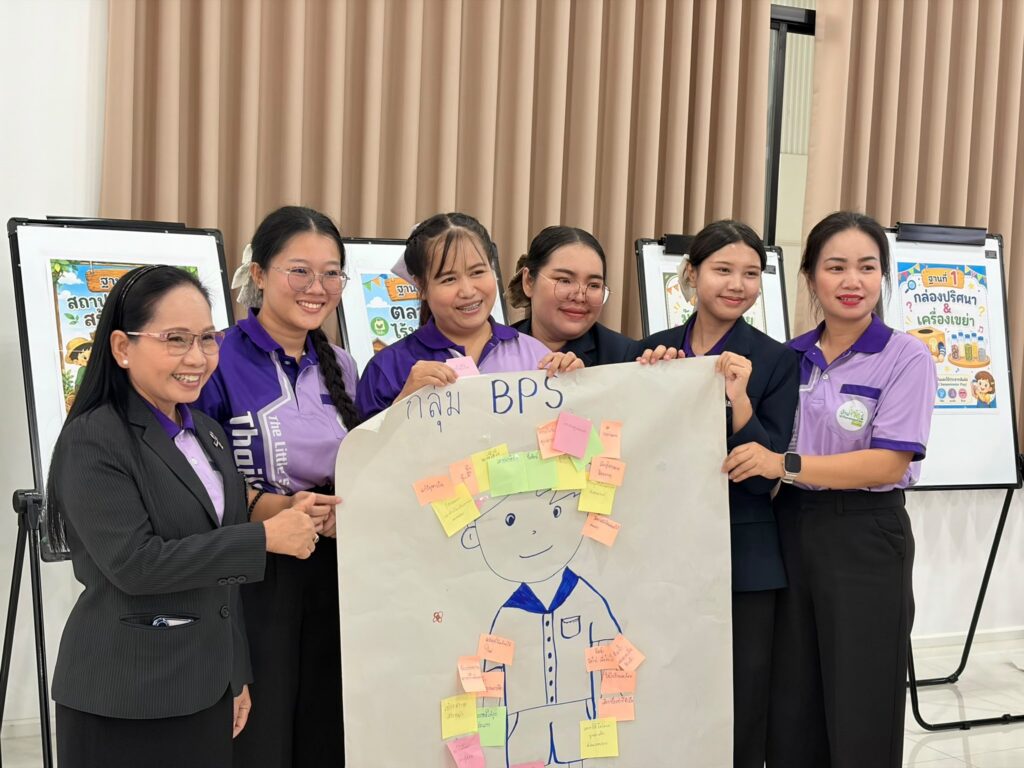
During her visit, Ms. Jetsumon met with school administrators, teachers, and workshop participants, observing the practical learning activities designed to strengthen teachers’ knowledge and skills in delivering sustainability education to young learners. She commended the organisers for providing a high-quality training programme that encourages innovative teaching methods while promoting environmental responsibility from an early age.
The workshop focused on equipping primary school teachers with practical approaches to teaching Sustainable Consumption through interactive and child-centred learning experiences. Participants explored a variety of teaching strategies, including play-based learning, scientific exploration, discovery learning, and hands-on activities that encourage curiosity, creativity, and problem-solving.
A key objective of the programme was to help teachers introduce environmental awareness into the classroom by encouraging pupils to understand the importance of responsible consumption, recycling, waste reduction, and sustainable lifestyles. Through practical experiments and engaging classroom activities, teachers gained valuable resources to inspire children to become environmentally conscious citizens.
The training formed part of the internationally recognised Little Scientists’ House Thailand Project, which promotes inquiry-based science education for young children. The programme supports teachers in creating engaging classroom environments where children learn by asking questions, exploring ideas, and discovering scientific principles through practical experience.
Ms. Jetsumon praised the dedication of the teachers and education professionals participating in the workshop, noting that sustainability education is becoming increasingly important in preparing young people for the future. She emphasised that developing environmental awareness from the primary school years helps students understand their role in protecting natural resources and contributing to sustainable communities.
She also recognised the strong collaboration between educational institutions and partner organisations in delivering professional development opportunities that enhance teaching quality and promote lifelong learning. Such partnerships, she said, play an important role in supporting national education policies while encouraging innovation in classroom practice.
The workshop also showcased a wide range of practical teaching materials and environmental learning resources, including activities centred on recycling, reusable products, waste reduction, and responsible consumption. These resources provide teachers with practical ideas that can be readily adapted for use in primary school classrooms.
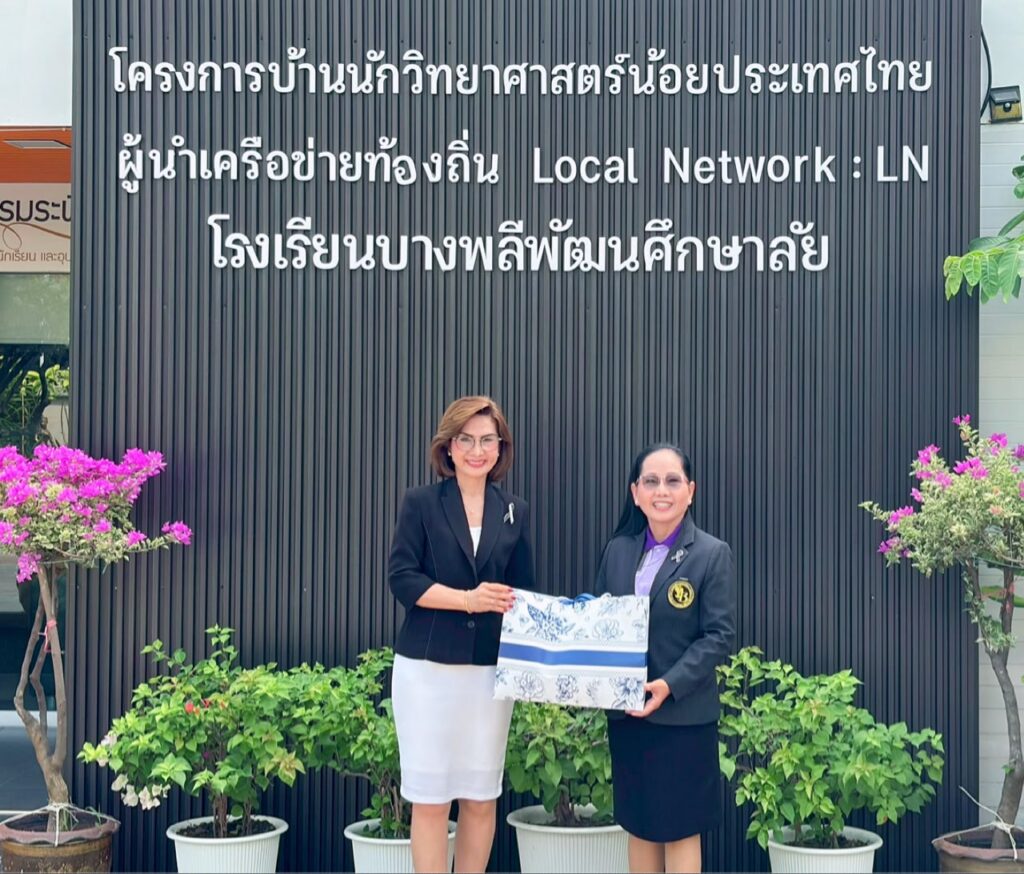
Ms. Jetsumon concluded her visit by thanking the organisers, school leadership, trainers, and participating teachers for their commitment to advancing educational excellence. She expressed her confidence that the knowledge and experience gained during the workshop would benefit both teachers and students, while supporting the Ministry of Education’s ongoing commitment to developing environmentally responsible, scientifically curious, and socially aware young learners.
The Bangpleepattanasuksalai School Local Network workshop demonstrated how collaboration, innovation, and practical learning can help build a stronger foundation for sustainability education in Thailand’s primary schools, ensuring that future generations are equipped with the knowledge, skills, and values needed to create a more sustainable future.